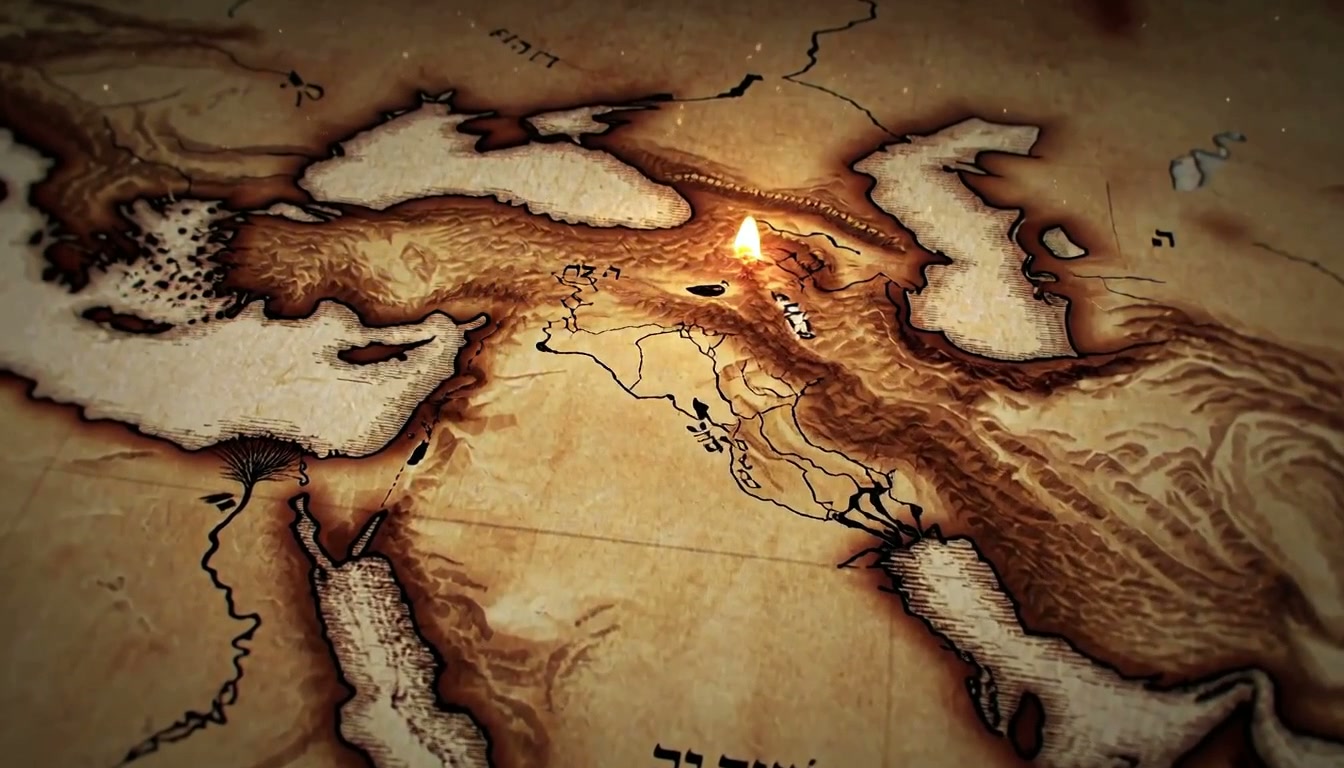
The prophets speak of a day when the nations will be gathered once more — not by treaty this time, but by the God of heaven Himself. "I will gather all nations," says the Lord through Joel, "and will bring them down into the valley of Jehoshaphat" (Joel 3:2). Zechariah sees the same gathering: "I will gather all nations against Jerusalem to battle" (Zechariah 14:2) — a coalition of the whole earth, turning as one upon the city and the people of Israel.
Ezekiel's war of Gog, Joel's valley of decision, Zechariah's siege of Jerusalem, and Revelation's gathering to the place "called in the Hebrew tongue Armageddon" (Revelation 16:16) are held by many to be scenes of one and the same coming conflict — the last rebellion of the nations against God, mirroring in a greater key what the world tasted in 1939–1945.
But this war will not end as human wars end. "Then shall the Lord go forth, and fight against those nations, as when he fought in the day of battle. And his feet shall stand in that day upon the mount of Olives" (Zechariah 14:3–4). Revelation 19 sees heaven opened and Christ returning — "in righteousness he doth judge and make war" — and the armies of the nations broken not by another coalition of men, but by the King of kings Himself.
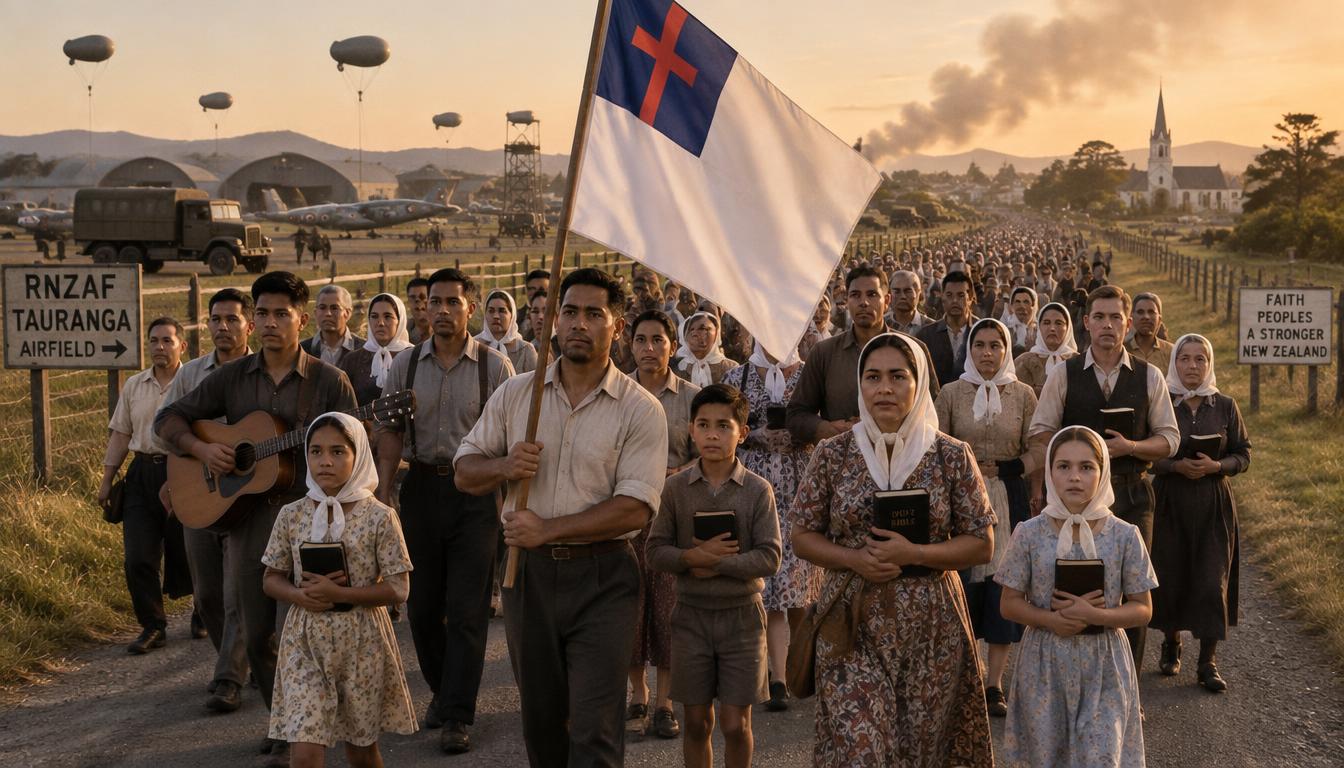
As the deliverance of 1940–1945 was not won by man's strength, so the last war will not be. "Not by might, nor by power, but by my Spirit, saith the Lord of hosts." The page therefore ends where faith has always ended: the nations rage, but the Lord reigns — and He will come again.
"Even so, come, Lord Jesus." — Revelation 22:20